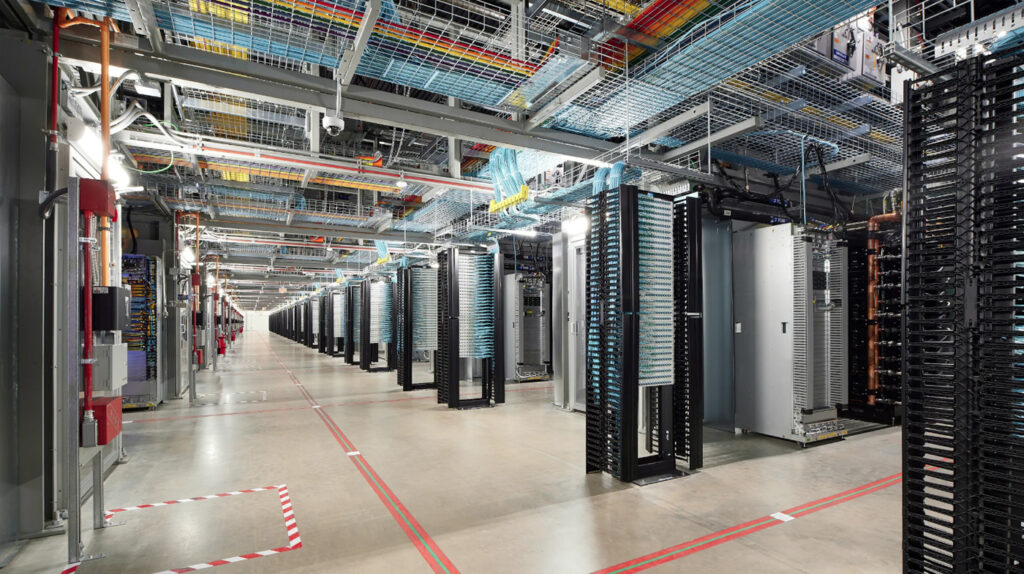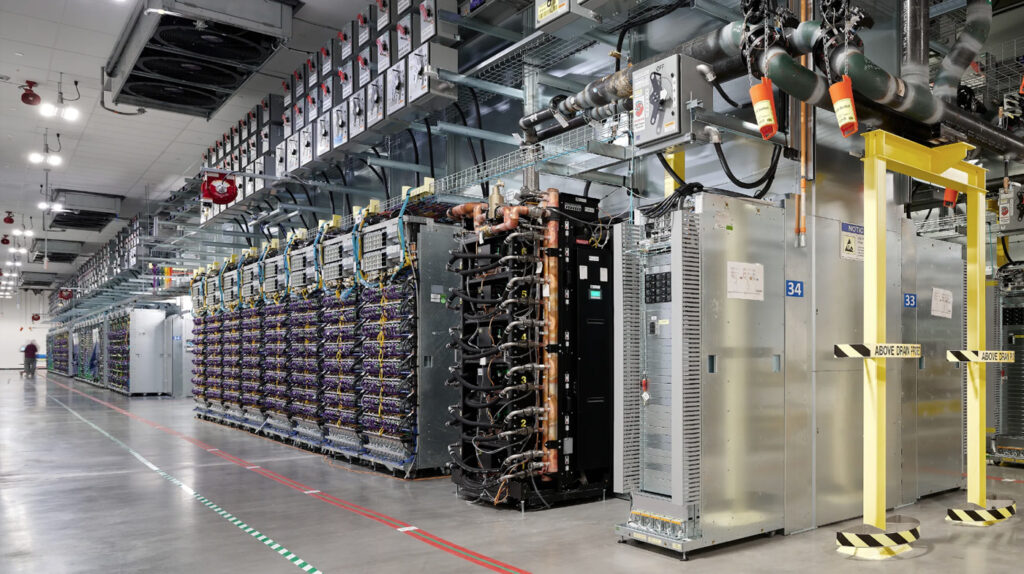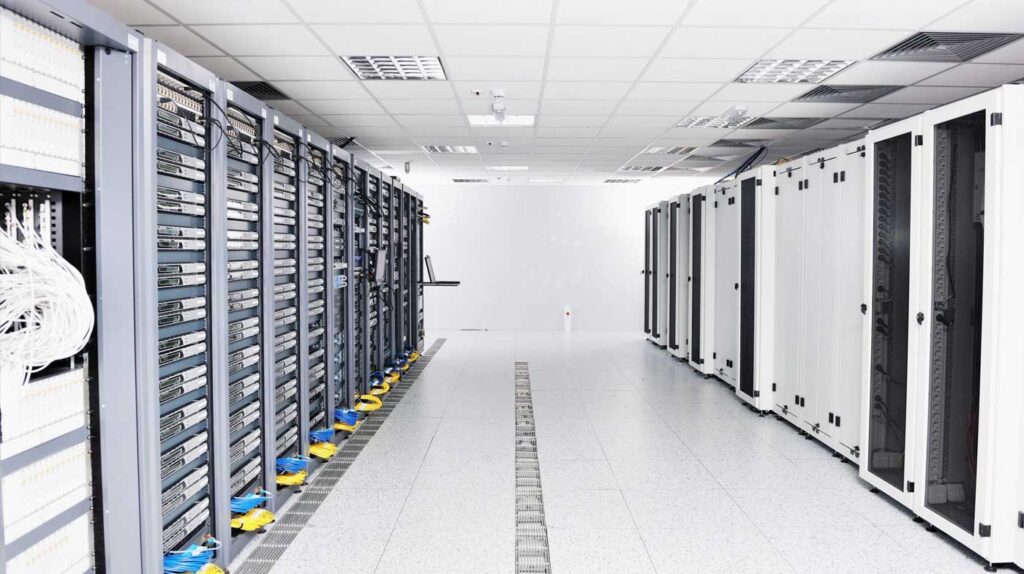

As processing power moves away from centralized “Fortress” data centers and toward the network edge, infrastructure is being deployed in environments that were never designed for sensitive electronics. From 5G cell towers and manufacturing floors to retail closets and transit hubs, Edge Micro-Data Centers (MDCs) face a set of contamination challenges that large-scale facilities rarely encounter.
In an Edge environment, the traditional “Cleanroom” rules are broken. There are no man-traps, no dedicated air handlers, and often, no on-site staff. This article outlines the specialized maintenance protocols required to ensure Edge reliability in “dirty” environments.
1. The Edge Paradox: High Performance in Low-Quality Air
Large data centers rely on massive HVAC systems with multi-stage filtration to maintain a pristine environment. Micro-Data Centers, however, are often “self-contained” units sitting in unconditioned spaces.
The Ingress Problem
In a warehouse or retail setting, the air is filled with high concentrations of large-particulate debris:
-
Cardboard and Paper Dust: Constant unboxing and foot traffic.
-
Tire and Brake Dust: In transit hubs or loading dock areas.
-
Industrial Pollutants: Metallic shavings or chemical vapors in manufacturing zones.
Because Edge cabinets often have smaller footprints, their intake fans must spin at higher RPMs to move sufficient air, effectively acting as a high-powered vacuum for every contaminant in the room.
2. Sealing the Perimeter: Cabinet-Level Hygiene
When the room isn’t clean, the cabinet must become the “Cleanroom.”
IP-Rated Enclosures
For harsh environments, standard mesh-door cabinets are a liability. Edge deployments should utilize cabinets with an Ingress Protection (IP) rating, such as IP54 or IP65.
-
The Benefit: These cabinets are sealed against dust and moisture.
-
The Maintenance: The focus shifts from cleaning the internal servers to maintaining the gaskets and seals. Over time, rubber gaskets can dry out or crack, leading to “silent leaks” where dust enters the cabinet. Quarterly inspections should include a physical check of all door seals and cable entry glands.
The Air-Loop Strategy
In high-pollution areas, “Closed-Loop” cooling is the gold standard. These cabinets use an internal heat exchanger or a dedicated rack-mounted AC unit so that the “dirty” outside air never touches the server components.
3. The “On-Site” Cleaning Protocol for Remote Sites
Because Edge sites are often remote, cleaning is usually “Event-Based” rather than “Routine.” However, when a technician is dispatched, the cleaning must be exhaustive.
The ULPA-Vacuum Requirement
In a small retail closet, using a standard vacuum is dangerous. The exhaust from a low-quality vacuum will stir up settled dust, which the server intake will immediately pull in.
-
The Standard: Technicians must use ULPA-rated vacuums. Because ULPA filters catch particles as small as 0.12 microns, they ensure that the air being exhausted by the vacuum is cleaner than the air being pulled in.
Fan Filter Replacement
Most MDCs have small, washable or replaceable foam filters on the door intakes.
-
The Risk: If these filters clog, the internal temperature of the rack can spike by 10–20°C in minutes.
-
The Protocol: Filters should be replaced—not just “tapped out”—during every site visit. If the site is in a high-pollen or high-dust area, move to a monthly filter-swap schedule.
4. Remote Monitoring: The “Virtual Janitor”
Since you can’t be at every Edge site every day, you must rely on sensors to tell you when it’s time to clean.
-
Pressure Differential Sensors: Install sensors that measure the pressure drop across the intake filters. When the pressure difference reaches a certain threshold, it’s an empirical sign that the filter is clogged and a technician needs to be dispatched.
-
Internal Particle Counters: Low-cost, IoT-enabled particle sensors can be mounted inside the cabinet. A sudden spike in $PM_{10}$ counts inside a “sealed” cabinet indicates a breached gasket or a door left open by a third-party vendor.
Conclusion: Decentralized Power Requires Centralized Standards
The “Edge” is the new frontier of data center growth, but it remains the “Wild West” of technical hygiene. Just because a server is sitting in a closet doesn’t mean it deserves less protection than a server in a Tier IV facility. By shifting the focus to sealed enclosures, ULPA-cleaning, and remote monitoring, operators can ensure that their Edge infrastructure stays as reliable as their core data center.