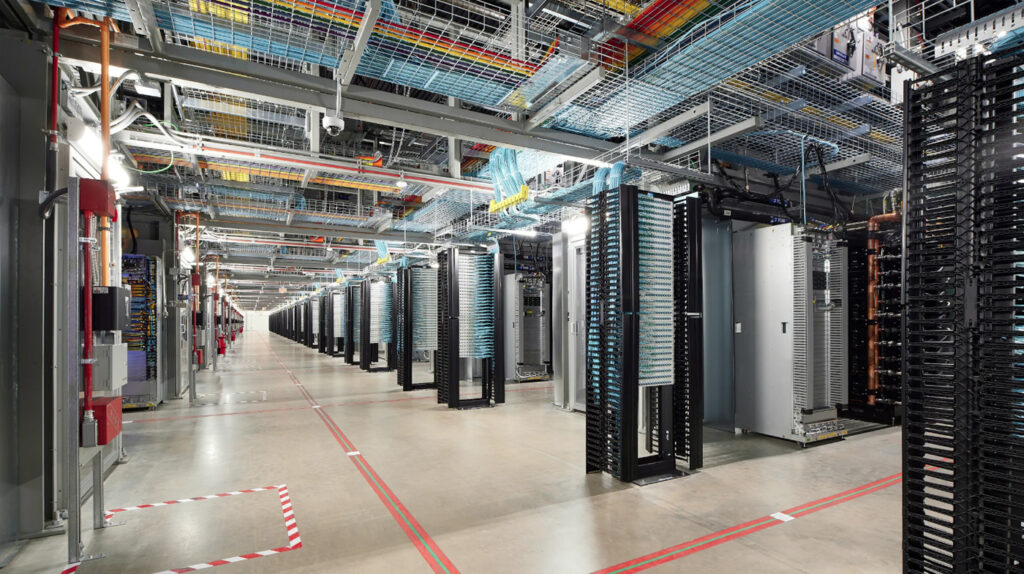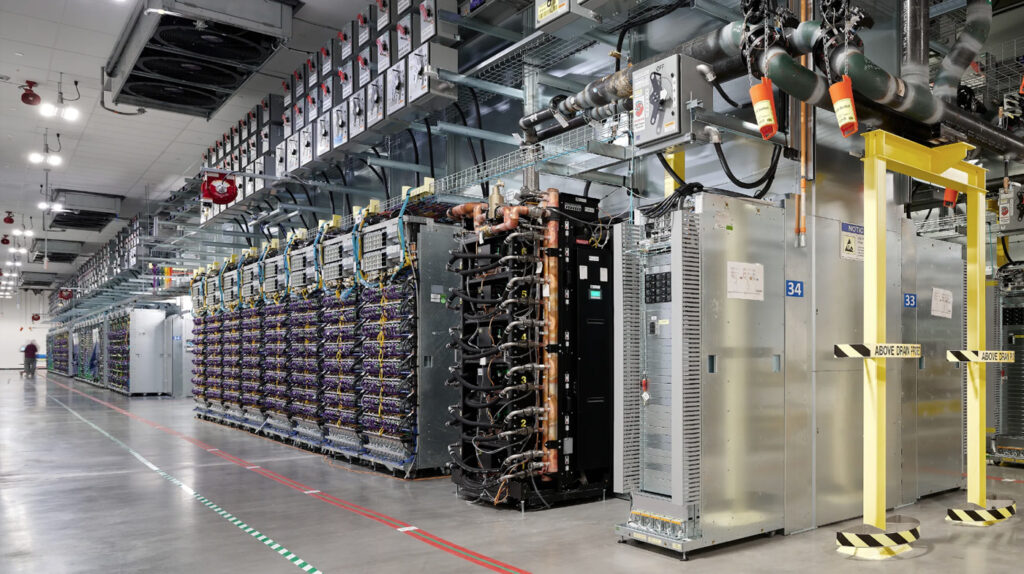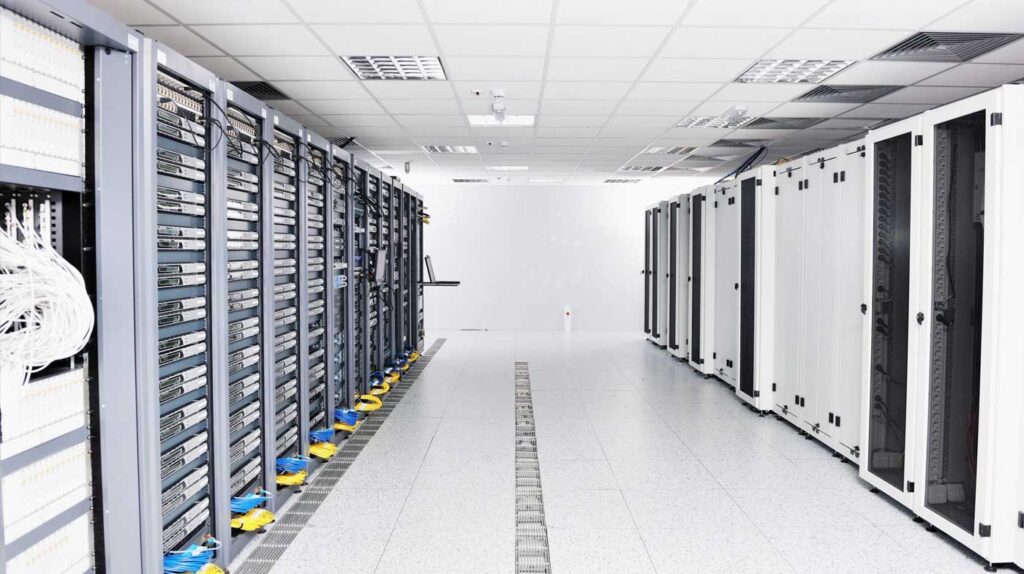

The most common point of failure in a data center’s hygiene protocol isn’t actually inside the server room—it’s the loading dock. In the industry, we often refer to the data hall as the “White Space” and the rest of the facility as the “Gray Space.” The goal of a high-availability facility is to ensure that the Gray Space never invades the White Space.
The staging area serves as the biological and physical “airlock” of your data center. If your staging protocols are weak, you are effectively inviting billions of microscopic contaminants into your racks every time you receive a shipment. This article provides a technical audit for managing the critical transition from the delivery truck to the server cabinet.
1. The Cardboard Crisis
Cardboard is a data center manager’s worst nightmare. It is highly porous, sheds fibers constantly, and acts as a magnet for outdoor pollutants during transit.
-
The Fiber Threat: Cardboard is composed of loosely bonded wood fibers. Every time a box is slid across a floor, cut with a blade, or stacked, it releases thousands of “macro-particles” into the air. These fibers are the perfect size to clog server fan intakes and heat sinks.
-
The “Zero-Cardboard” Rule: A world-class data center must have a strict policy: No cardboard ever crosses the threshold of the data hall. All equipment must be unboxed in the staging area and moved into the white space on dedicated, clean-room-certified carts.
2. Zone-Based Cleaning Strategy
To prevent “migration” of dust, you must treat your facility like a series of pressure-controlled zones.
Zone 1: The Loading Dock (High Contamination)
This area is exposed to the outdoors, vehicle exhaust, and shipping debris.
-
The Protocol: This zone should be cleaned daily with industrial scrubbers. It must be physically separated from the staging area by a corridor or heavy-duty industrial curtains.
Zone 2: The Staging/Unboxing Area (The Buffer)
This is where the real work happens.
-
The Protocol: Equipment is removed from pallets and boxes here. Once the “inner” product is exposed, it must be wiped down with antistatic cleaners. The floor in this zone should be cleaned with a HEPA vacuum twice daily during high-volume deployment periods.
Zone 3: The Data Hall (The White Space)
This is the protected environment.
-
The Protocol: Entry is only permitted after passing through a “Tacky Mat” station.
3. The Science of the “Sticky Mat”
Almost every data center has a blue or white “tacky mat” at the entrance, but many are used incorrectly, rendering them useless.
-
The 3-Step Rule: A tacky mat is only effective if a person takes at least three full steps on it. This ensures that the entire surface area of the shoe sole is decontaminated. Mats should be placed lengthwise, not sideways, to force this interaction.
-
Saturation Management: A mat that is covered in a layer of dust no longer attracts new particles. In a high-traffic facility, the top sheet should be peeled every 2 to 4 hours.
-
The “Clean Cart” Wheel Audit: It isn’t just shoes that bring in dust; it’s the wheels of your equipment carts. Carts used in the staging area should have their wheels wiped with isopropyl alcohol before crossing the threshold into Zone 3.
4. Airflow and Pressure Differentials
Physical cleaning is only half the battle; the air itself must be used as a barrier.
-
Positive Pressure: The data hall should always be at a higher air pressure than the staging area, and the staging area should be at a higher pressure than the loading dock.
-
The Result: When a door opens between zones, air flows out of the clean area, pushing dust and fibers away from the servers. If you feel a draft coming into your data hall when you open the door, your facility is “inhaling” contaminants from the Gray Space.
Hygiene is a Chain of Custody
Protecting a data center is about maintaining a “chain of custody” for cleanliness. From the moment a piece of hardware leaves the delivery truck, every touchpoint must be controlled. By auditing your loading dock and staging protocols, you stop the problem at the source, significantly reducing the workload on your internal filtration systems and extending the life of your hardware.