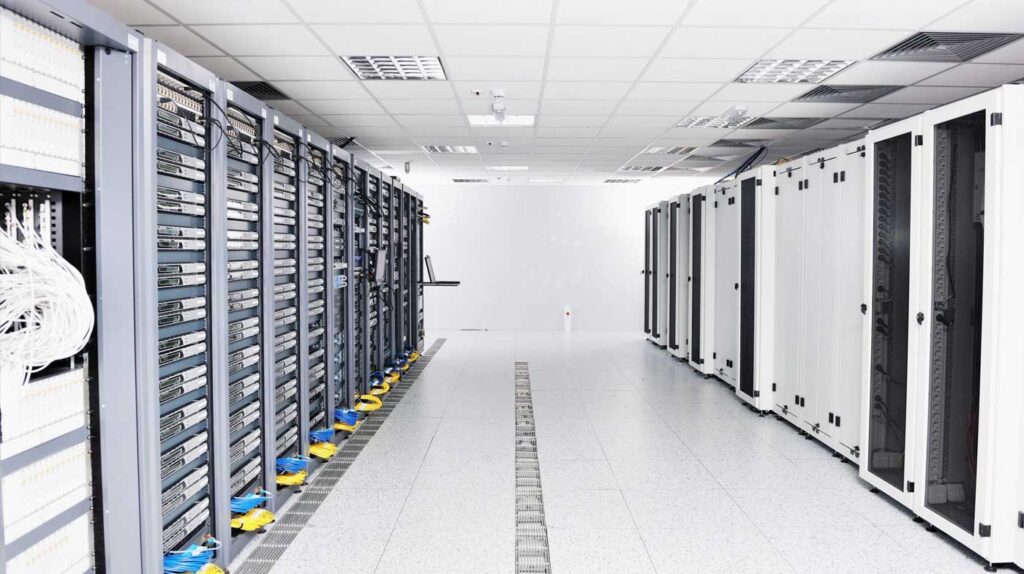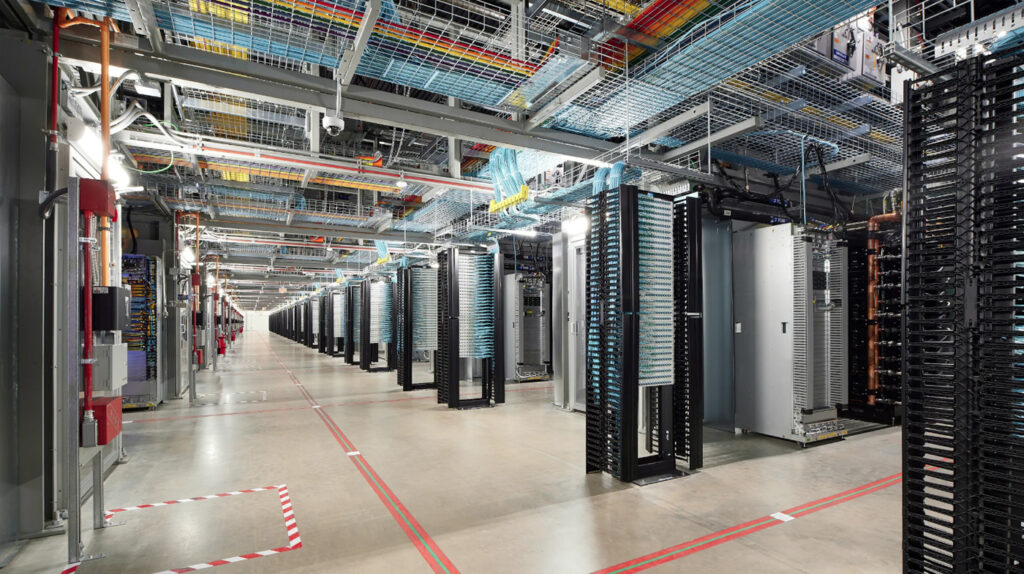
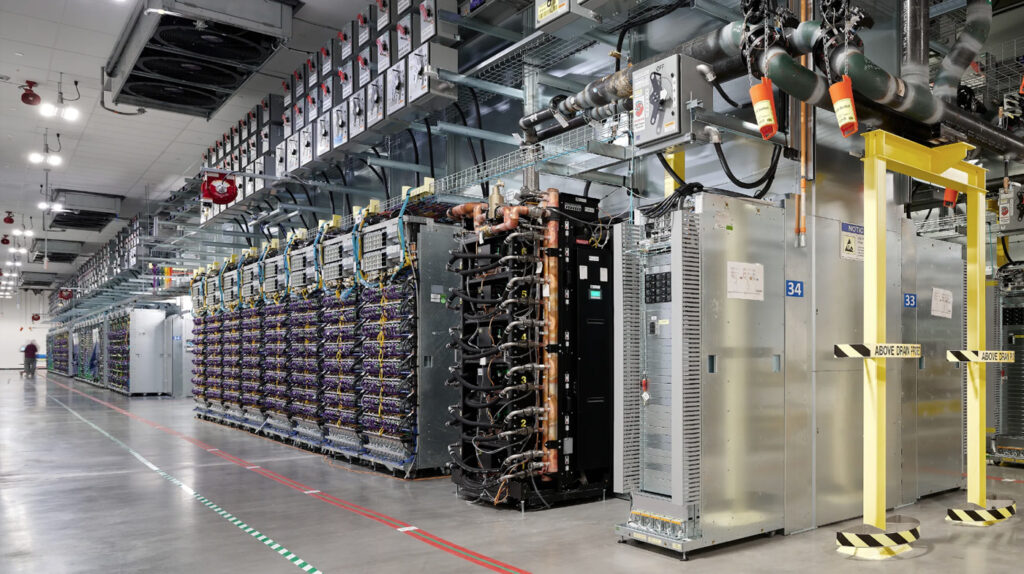
When designing a data center hygiene protocol, white space aisles and server racks naturally capture most of the attention. However, an equally critical—and significantly more hazardous—environment sits just down the hall: the UPS and battery room.
Whether your facility relies on Valve-Regulated Lead-Acid (VRLA), flooded wet cell, or modern Lithium-ion (Li-ion) cabinet architectures, dirty power infrastructure poses severe operational risks.
Dust, chemical film, and airborne particulate accumulation inside UPS modules and across battery strings don’t just reduce efficiency—they actively accelerate hardware degradation and elevate the risk of ground faults, short circuits, and thermal runaway events.
The Hidden Hazards of Battery Room Contamination
Uninterruptible Power Supply (UPS) systems and backup battery banks operate under high electrical loads, continuous thermal stress, and high DC voltages. When contamination is allowed to build up on these assets, three distinct failure mechanisms emerge:
1. Parasitic Electrical Pathways and Self-Discharge
Over time, a fine layer of conductive dust, ambient grime, and microscopic chemical residue coats battery tops and terminal posts. In VRLA and wet cell environments, minute amounts of acid mist escape during normal charging cycles, binding with airborne dust to form a slightly conductive film across battery casings.
This film creates a parasitic tracking path between positive and negative terminals, or between terminals and the grounded metal rack frame. The result is continuous micro-discharges that accelerate cell degradation, cause capacity loss, and trigger ground fault alarms on the UPS.
2. Thermal Blanketing and Fan Airflow Restriction
High-density UPS cabinets house massive power electronics, transformers, and inverter modules that generate substantial heat. Internal cooling fans pull thousands of cubic feet of air through cabinet grilles and internal heatsinks daily.
When fine particulate builds up on internal power modules and intake vents, it acts as a thermal insulator. Trapped heat forces cooling fans to run harder, increasing internal operating temperatures. For every 15°F (8.3°C) rise in ambient battery temperature above 77°F (25°C), the operational lifespan of a standard VRLA battery is cut in half.
3. Corrosion at Critical Contact Points
Dust absorbs ambient humidity. When moist dust settles on battery posts, busbars, and inter-cell connectors, it promotes atmospheric corrosion. Corroded connections increase electrical resistance across the battery string, leading to localized heating during discharge cycles—a major contributor to thermal runaway in high-rate UPS applications.
Unique Challenges of Li-Ion vs. VRLA Environments
As data centers increasingly transition to Lithium-ion energy storage, battery room cleaning strategies must evolve:
-
VRLA & Wet Cell Rooms: Focus heavily on neutralizing acid mist film, preventing terminal post corrosion, and eliminating conductive tracking paths along the casing.
-
Lithium-Ion Cabinets: Feature higher power density and integrated Battery Management Systems (BMS). Hygiene protocols must focus on keeping internal rack airflow channels clear, preventing dust build-up on delicate BMS circuit boards, and protecting optical flame/smoke detection sensors from false alarms caused by airborne dust.
Safe Decontamination Protocols for Energized Power Environments
Cleaning a battery room or UPS enclosure is a high-risk task that requires specialized training, non-conductive tooling, and strict adherence to electrical safety standards (including NFPA 70E compliance). Standard janitorial methods or wet wiping with unapproved chemicals can cause short circuits, chemical reactions, or severe arc flash hazards.
At Critical Facility Solutions (CFS), our technical cleaning teams follow rigorous safety and decontamination protocols tailored for energized DC power environments:
-
Non-Conductive, ESD-Safe Equipment: Technicians utilize certified non-conductive vacuum attachments, static-dissipative HEPA extraction systems, and specialized insulated tools designed specifically for live electrical spaces.
-
Specialized Chemical Neutralization: For lead-acid environments, we utilize specialized, non-conductive, acid-neutralizing cleaning solutions that safely remove corrosive films without damaging battery casings, terminal seals, or flame-retardant plastics.
-
Internal & External UPS Cabinet Cleaning: We clean intake grilles, cabinet doors, and perimeter infrastructure, carefully removing particulate build-up that blocks ventilation pathways to internal power electronics.
-
Environmental Monitoring Sensor Care: We clear dust build-up from overhead thermal imaging sensors, hydrogen gas detectors, and early-warning smoke detection systems (such as VESDA) to prevent false trips or sensor blind spots.
Protect Your Backup Power Investment
Your UPS and battery banks represent your last line of defense against utility power outages. Allowing contamination to compromise these assets puts your entire data center’s uptime at risk.
Incorporating routine battery room and UPS hygiene into your preventive maintenance schedule extends asset lifespan, optimizes cooling efficiency, and ensures your critical power system performs flawlessly when called upon.
When was the last time your battery room had a technical decontamination audit? Contact Critical Facility Solutions today to consult with our critical power cleaning specialists and protect your back-up infrastructure.