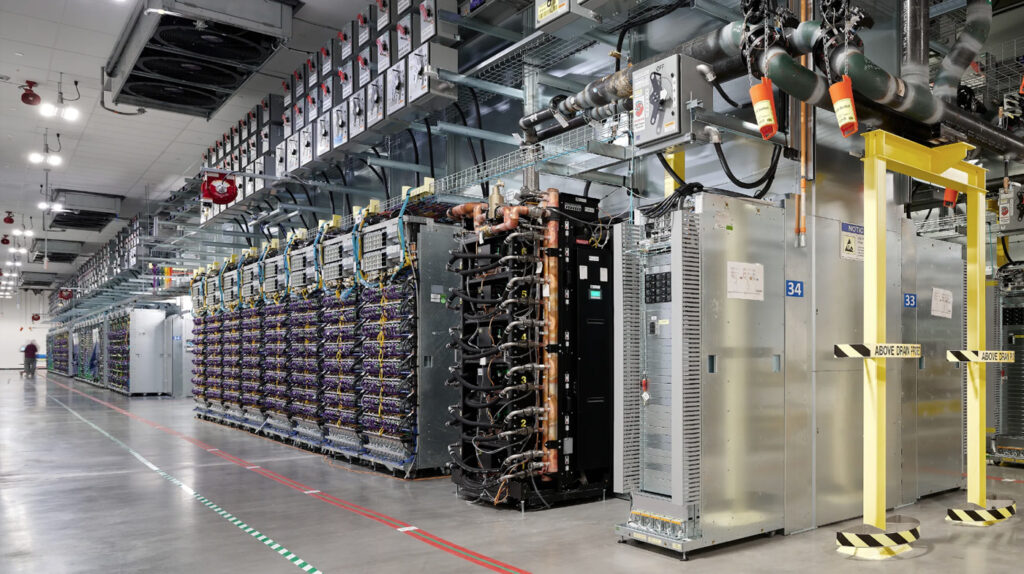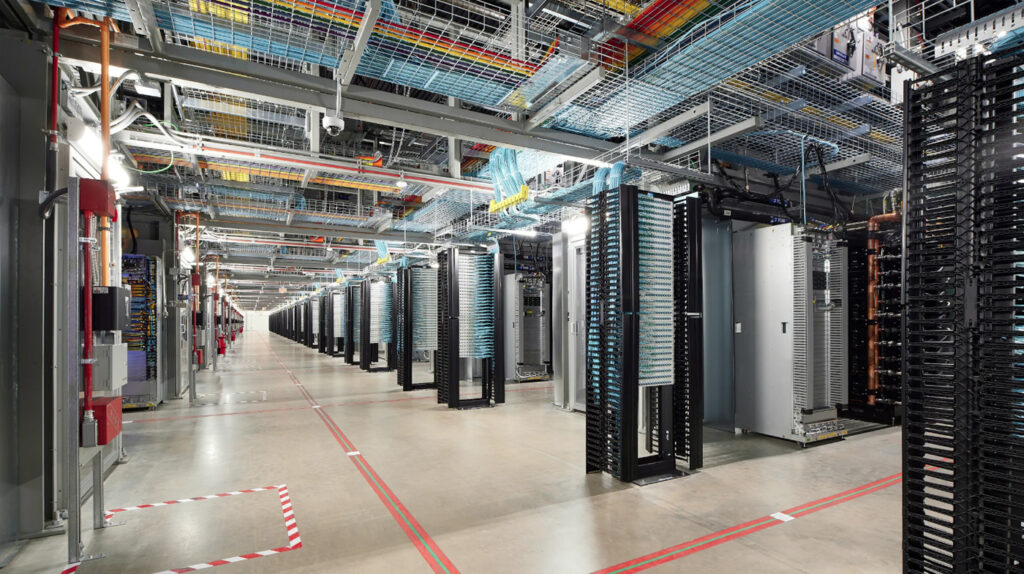
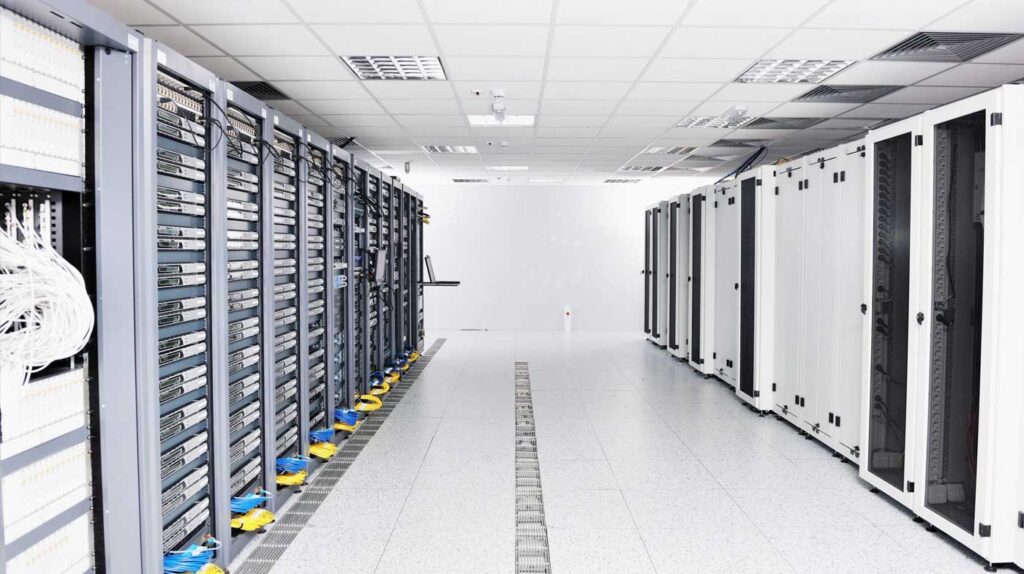
The surge in artificial intelligence (AI), machine learning, and high-performance computing (HPC) is forcing data centers to undergo their most aggressive power transformation in decades. Racks that once drew 10kW to 15kW are routinely being re-engineered for 40kW, 80kW, or even 100kW+ densities.
To cool these ultra-high-density chips, operators are deploying hybrid cooling architectures: combining direct-to-chip liquid cooling (or immersion systems) with high-CFM air-cooling systems for non-liquid components.
While liquid cooling solves the thermal challenge at the processor level, it introduces a complex new operational variable: extreme airflow velocities combined with sensitive fluid infrastructure inside the white space.
Without a modern, specialized hygiene strategy tailored for these hybrid environments, microscopic airborne contamination can quickly compromise both your liquid loops and air-cooling efficiencies.
The AI Airflow Paradox: High CFM and Particle Velocity
In a hybrid AI environment, GPUs and CPUs are cooled via liquid cold plates, but voltage regulators, memory modules, and power supply units (PSUs) still rely on air cooling.
To cool these high-density air-reliant components, AI server chassis feature ultra-high-RPM fan arrays. These fans pull massive volumes of air through the chassis at velocities up to two to three times greater than traditional enterprise servers.
This elevated CFM creates a localized “vacuum effect” across the rack face:
-
Increased Dust Drag: Ambient particulates that would normally settle harmlessly onto floor tiles are pulled off the floor and drawn straight into server intakes.
-
Micro-Channel Clogging: Fine particles get forced deep into high-density heatsink fins and secondary heat exchangers (such as Rear Door Heat Exchangers, or RDHEs), forming an insulating blanket that degrades thermal transfer.
-
Rapid Accumulation: Dust collects on component surfaces at an accelerated rate, forcing high-RPM fans to run constantly at maximum speed, driving up facility PUE (Power Usage Effectiveness).
Liquid Infrastructure Meets Environmental Dust
Liquid cooling systems rely on intricate plumbing directly inside the rack—including quick-disconnect (QD) couplings, manifold trees, coolant distribution units (CDUs), and flexible hoses.
When airborne dust, construction debris, or carpet fibers settle on these fluid components, they create distinct operational risks:
1. Quick-Disconnect (QD) Coupling Contamination
The precision internal seals and mating surfaces of quick-disconnect valves require absolute cleanliness. When technicians hot-swap an AI blade or service a liquid loop, ambient dust resting on the QD housing can get forced past the seal. This creates minute fluid weepage or prevents full valve engagement, risking localized leaks near active, high-voltage GPUs.
2. Rear Door Heat Exchanger (RDHE) Efficiency Loss
Rear door heat exchangers circulate chilled water through delicate copper or aluminum coils mounted directly on the back of the rack. As hot exhaust air passes through these coils, settled dust creates an insulating layer over the fins. A layer of dust just a fraction of a millimeter thick can reduce thermal heat transfer efficiency by as much as 10% to 15%, forcing the primary cooling plant to work harder.
Modern Decontamination Strategies for Hybrid AI Facilities
Cleaning an AI-dense white space requires protocols designed specifically for high-velocity, fluid-adjacent environments. Standard cleaning routines fall short when managing 80kW racks with active liquid loops.
At Critical Facility Solutions (CFS), our hybrid environment decontamination protocols focus on targeted risk mitigation:
-
Targeted Micro-Extraction Around Liquid Manifolds: Our technicians use static-dissipative micro-vacuum attachments and HEPA filtration (99.97% efficient at 0.3 microns) to clear dust from rack manifolds, hose lines, and QD couplings without disturbing fluid connections or putting strain on flexible lines.
-
Precision Cleaning of Rear Door Heat Exchangers: We clean RDHE cooling fins using non-conductive, low-pressure extraction and specialized anti-static brushes, restoring optimal airflow and thermal exchange across the coils.
-
High-CFM Perimeter & Subfloor Remediation: Because AI server fans pull air heavily from the surrounding floor zone, we deep-clean subfloor plenums and floor tile surfaces using anti-static, non-VOC solutions to eliminate dust before it can be drawn into high-density racks.
-
Static-Safe Containment Cleaning: Hybrid AI setups frequently rely on hot-aisle/cold-aisle containment systems to control airflow. CFS wipes down containment panels, ceiling blanking systems, and strip doors using static-dissipative agents to prevent particulate adhesion.
Safeguard Your Next-Generation Compute Investment
Deploying AI infrastructure represents a massive capital investment in high-density hardware and advanced liquid cooling systems. Protecting that investment requires an environmental hygiene strategy built to match the speed, power, and sensitivity of modern compute clusters.
Is your white space ready for the thermal and airflow demands of AI density? Contact Critical Facility Solutions today to schedule a specialized high-density white space audit and customized maintenance review.