
Edge Computing and Micro-Data Centers: Hygiene Strategies for Remote Infrastructure

As processing power moves away from centralized “Fortress” data centers and toward the network edge, infrastructure is being deployed in environments that were never designed for sensitive electronics. From 5G cell towers and manufacturing floors to retail closets and transit …
Zinc Whiskers and Subfloor Restoration: The Post-Construction Decontamination Protocol
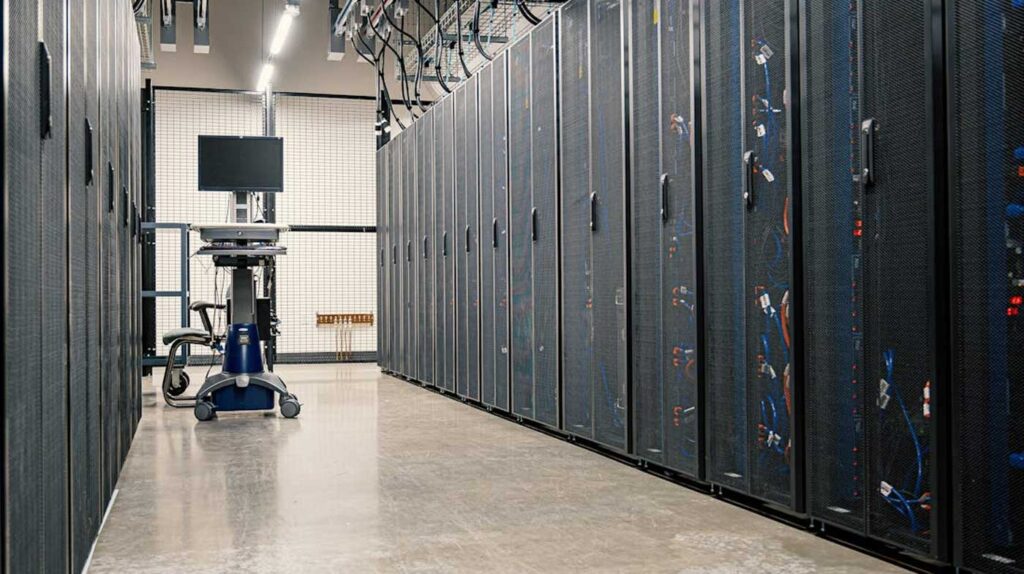
In the lifecycle of a data center, the period immediately following a construction or expansion project is the most hazardous. While the facility may look pristine to the naked eye, the air and the subfloor are often teeming with microscopic …
Navigating the Precision Requirements of Liquid Cooling Hygiene
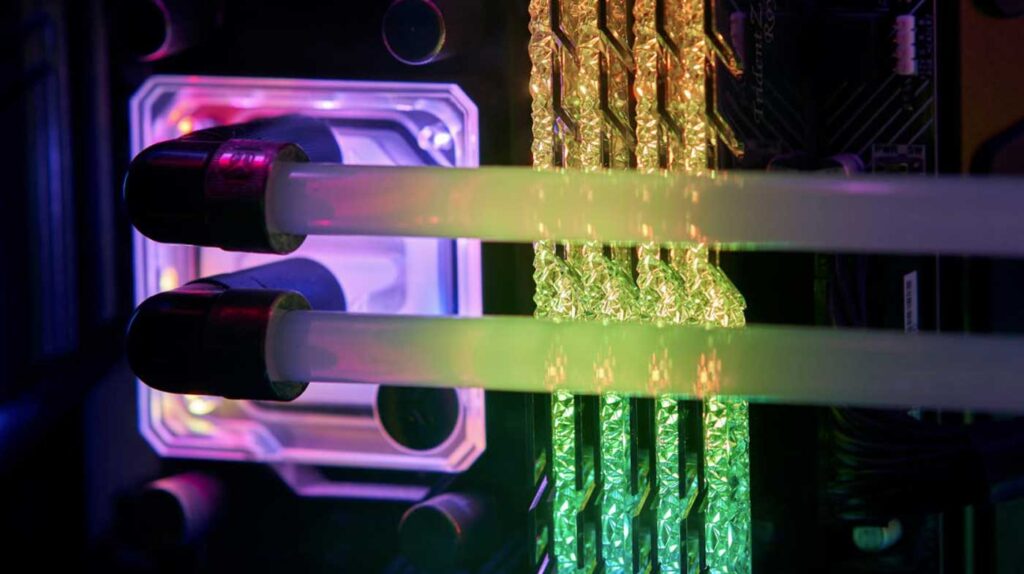
As data centers evolve to handle the staggering power demands of high-density AI, machine learning, and high-performance computing (HPC), the industry is hitting a “thermal wall.” Traditional air cooling is often no longer sufficient for chips exceeding 300W–500W. The solution …
Managing Wildfire Smoke and Urban Contamination in Data Centers

For decades, data center cleaning was viewed through a relatively narrow lens: removing cardboard fibers from the staging area, vacuuming subfloor plenums to prevent zinc whiskers, and wiping down server cabinets to maintain aesthetic and functional standards. However, as wildfire …
The Importance of Data Center Cleaning After Expansion Construction
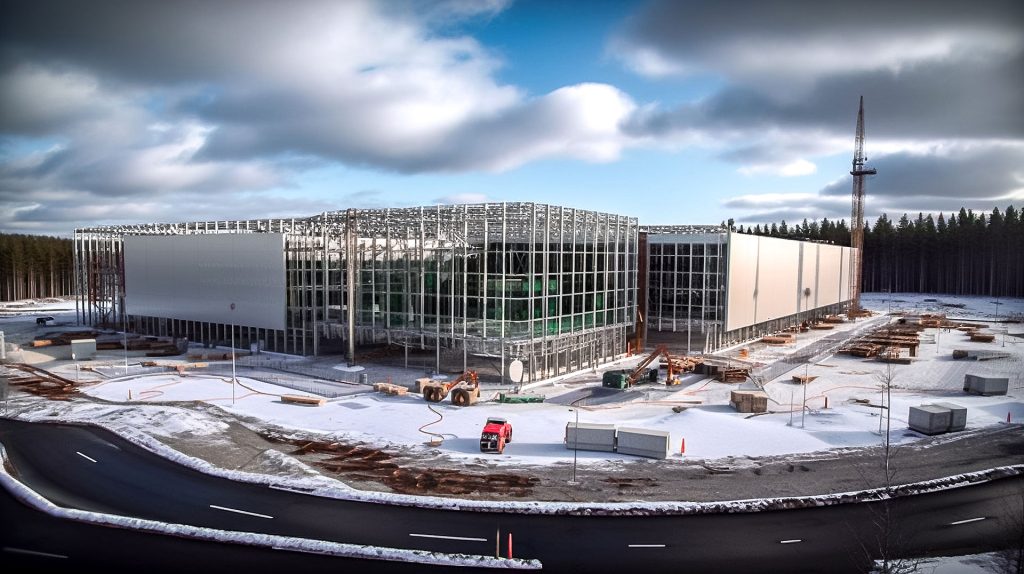
In the dynamic landscape of digital infrastructure, data centers are the lifelines of modern businesses. These facilities house the critical servers, networking equipment, and storage systems that underpin operations ranging from e-commerce to cloud computing. As businesses expand and technology …