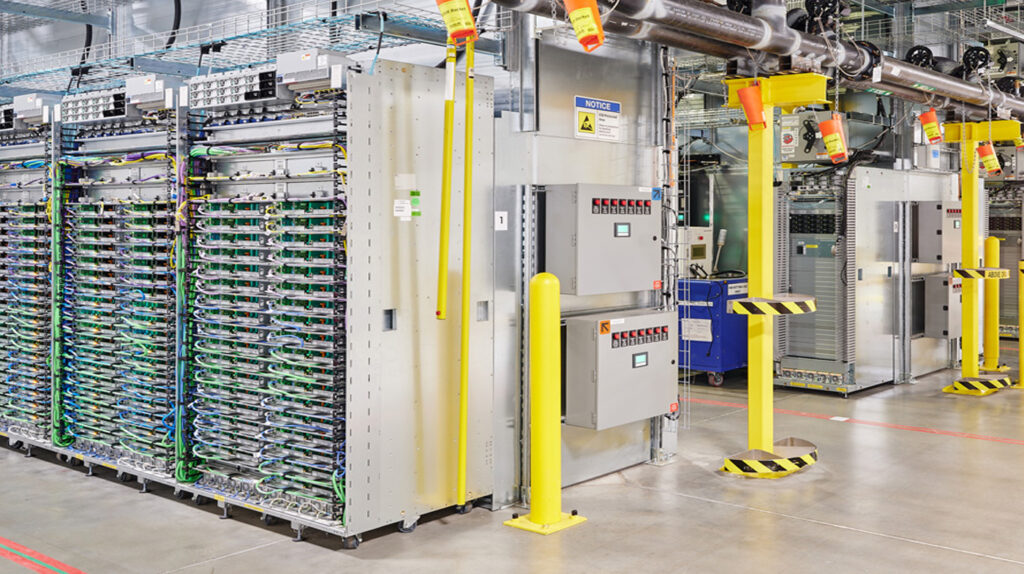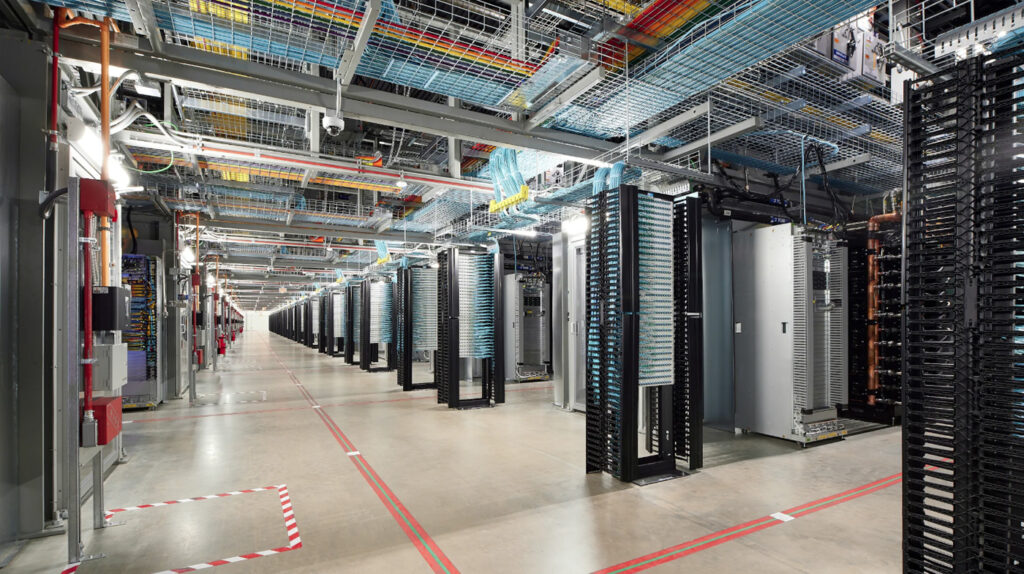

As data centers scale up to support dense AI and cloud workloads, power resilience has become a primary bottleneck. To combat grid instability and meet green energy targets, facility operators are increasingly integrating massive Battery Energy Storage Systems (BESS) directly onto their campuses or within modular containerized footprints.
However, introducing high-capacity lithium-ion or alternative chemistry battery banks introduces a totally unique set of environmental and safety challenges—chief among them being contamination control.
The Hidden Dangers of Dust in BESS Enclosures
Unlike the traditional server white space where the primary enemy is thermal throttling or hardware shorting, dust accumulation in a battery energy storage room presents a severe fire and safety hazard.
-
Thermal Runaway Triggers: Accumulated conductive dust or debris on battery management system (BMS) logic boards can create micro-arcs. In an enclosed battery environment, an electrical arc can easily serve as the ignition source for thermal runaway.
-
HVAC and Vent Obstruction: BESS containers rely heavily on strict climate control and off-gas venting. Dust buildup on cooling fans, louvered vents, and thermal sensors compromises airflow, causing cells to operate outside safe temperature thresholds.
-
Off-Gassing Residue: Following minor off-gassing events or safety venting, microscopic chemical residues settle on surrounding infrastructure. Standard janitorial sweeps cannot neutralize or properly extract these hazardous residues without risking equipment degradation.
Best Practices for BESS Facility Hygiene
Maintaining a BESS enclosure requires specialized technician training and protocols distinct from standard server hall routines:
-
HEPA-Filtered Vacuums with ESD Safety: Technicians must use certified equipment to prevent electrostatic discharge while extracting fine particulates near high-voltage terminals.
-
Non-Corrosive Chemical Agents: Cleaning solutions must be chemically compatible with battery casing materials and fire suppression sensors to avoid accidental system corrosion or false triggers.
-
Regular Thermal & Visual Audits: Integrating white-glove cleaning cycles with thermal imaging inspections ensures that hot spots are caught before dust blankets critical busbars.
By expanding your critical facility cleaning regimen to include BESS infrastructure, you safeguard your campus against its most volatile potential point of failure.