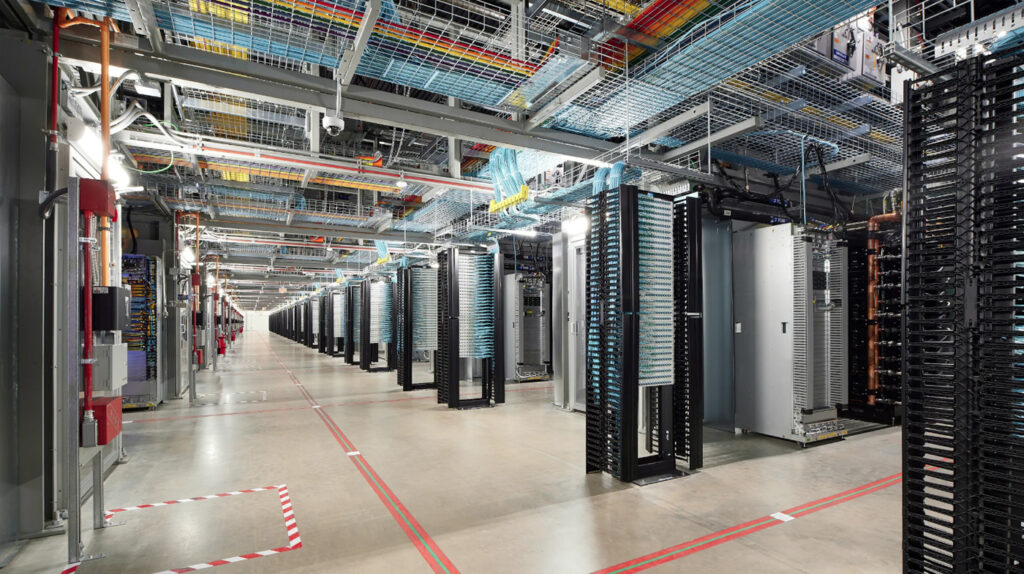
Retrofitting White Space for AI: Contamination Control During Liquid-Cooling Upgrades
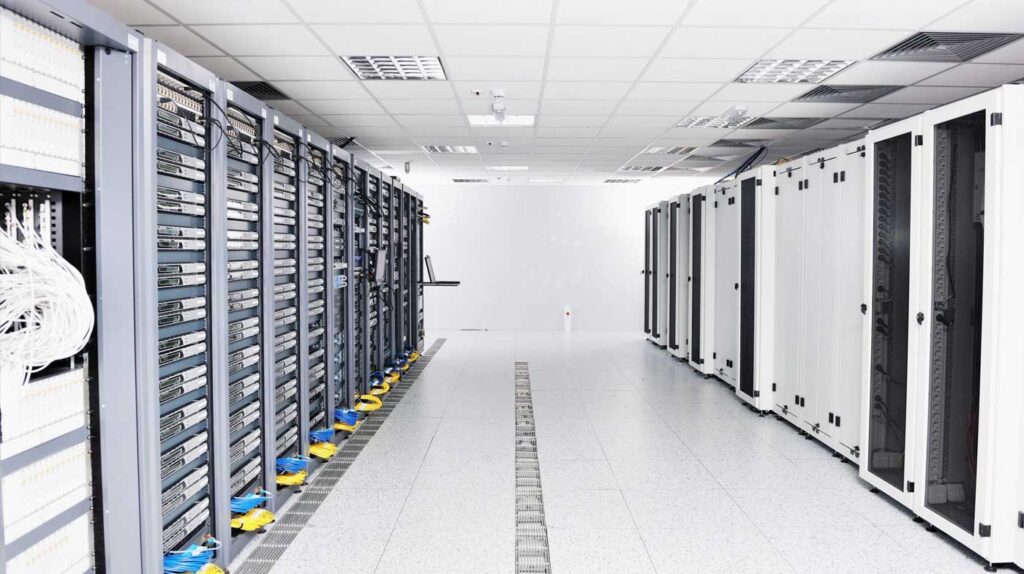
The rapid integration of Artificial Intelligence (AI) and Machine Learning (ML) workloads is forcing data center engineers to fundamentally rethink white space thermal management. Legacy air-cooling infrastructure, designed for 10 kW to 15 kW per rack, cannot efficiently cool modern AI clusters running 40 kW, 80 kW, or 100+ kW per cabinet.
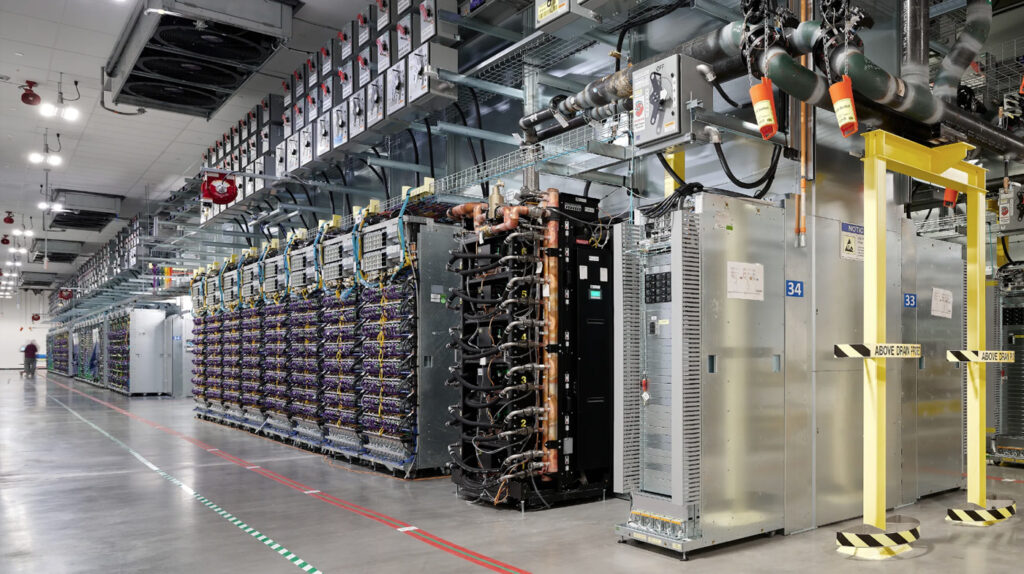
To accommodate these massive thermal loads, facilities across North America are executing retrofits—transitioning legacy air-cooled rooms into hybrid liquid-to-air environments.
However, retrofitting active white space with Direct-to-Chip (DTC) cooling, Coolant Distribution Units (CDUs), and manifold piping introduces significant physical risks. Managing construction contamination in a live, high-density environment requires specialized technical protocols.
The Dual Contamination Threats in Hybrid Retrofits
Upgrading an operational data center to support liquid-assisted AI infrastructure introduces two distinct vectors of environmental risk:
1. Mechanical Structural Contamination
Installing overhead fluid distribution loops, floor-mounted CDUs, and reinforced rack structures requires heavy drilling, cutting, and structural rigging. These activities generate high volumes of:
-
Metallic Filings and Ferrous Dust: Highly conductive particles that cause instantaneous electrical shorts when pulled into nearby live server intakes.
-
Concrete & Drywall Micro-Dust: Highly abrasive alkaline dust that bypasses standard air filters and scores high-speed fan bearings.
2. Liquid Spills and Chemical Residue
Integrating secondary fluid loops into active computer rooms increases the risk of glycol, dielectric fluid, or treated water leaks during commissioning. Even minor weeping at quick-disconnect fittings creates sticky surface films that trap airborne dust, forming non-conductive thermal sludge on chassis components.
Best Practices for Live-Environment AI Retrofits
To protect surrounding live workloads during an AI infrastructure upgrade, critical facility managers should follow a strict containment and decontamination protocol:
Step 1: Zoned Negative-Pressure Containment
Before any piping or structural modifications begin, technicians must construct physical containment barriers around the work zone using anti-static, flame-retardant materials. Portable HEPA air scrubbers should be deployed inside the enclosure to establish negative air pressure, preventing airborne debris from migrating toward operational racks.
Step 2: Continuous Subfloor and Overhead Extraction
Debris generated during top-of-rack piping or subfloor support installation must be captured at the point of origin using non-conductive, Class 100 HEPA-vacuum systems. Standard commercial vacuums must never be used, as they generate high electrostatic discharge (ESD) and vent microscopic particles back into the airflow.
Step 3: Anti-Static Surface Decontamination
Following the mechanical installation of CDUs and fluid lines, all surfaces within the retrofit zone—including overhead cable trays, rack exteriors, and subfloor plenums—must undergo a two-stage technical wipe-down using non-conductive, low-linting micro-fiber media and specialized ESD-safe solutions.
Step 4: ISO Post-Commissioning Audits
Prior to racking high-value GPU nodes or populating liquid-cooled chassis, the environment must be certified via laser particle counting to confirm air quality has returned to ISO 14644-1 Class 8 standards or better.
Protecting Your AI Infrastructure Investment
AI hardware represents a massive capital investment. Allowing construction debris or fluid-trapped contaminants to compromise high-density compute nodes jeopardizes both hardware longevity and tenant deployment schedules.
Executing a structured, specialized decontamination protocol during liquid cooling retrofits ensures that your white space transitions seamlessly into the AI era—without risking the uptime of existing live systems.