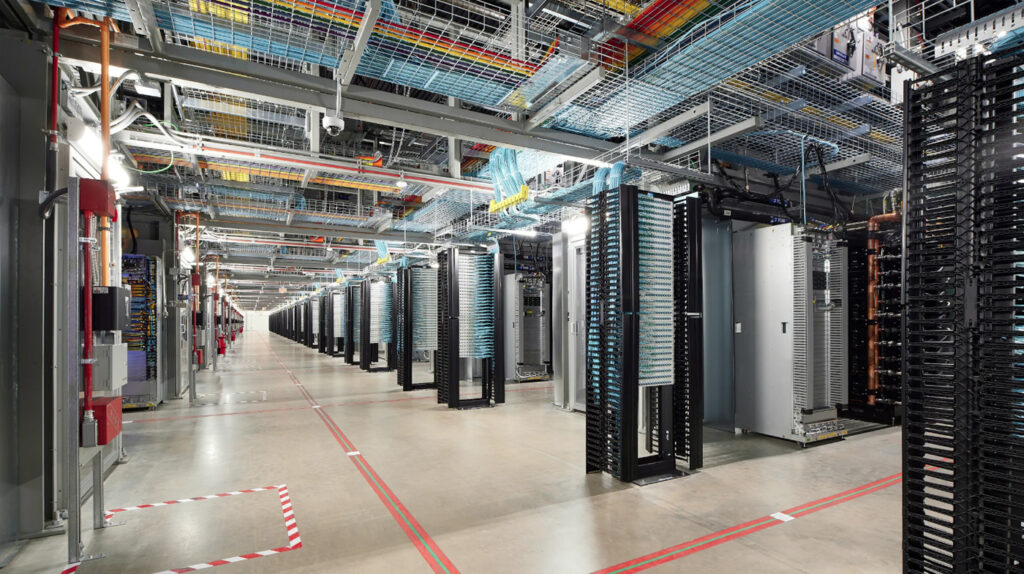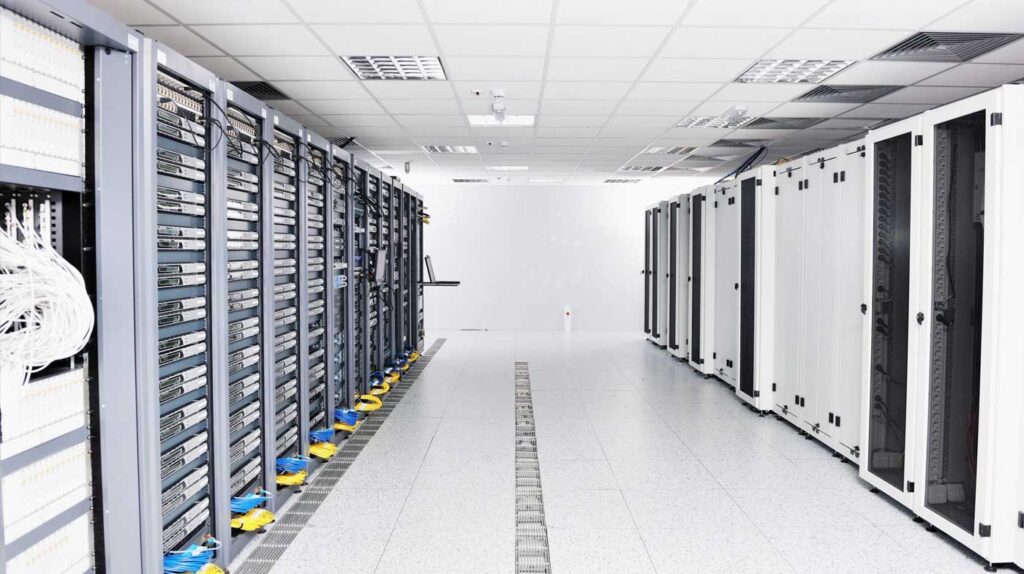
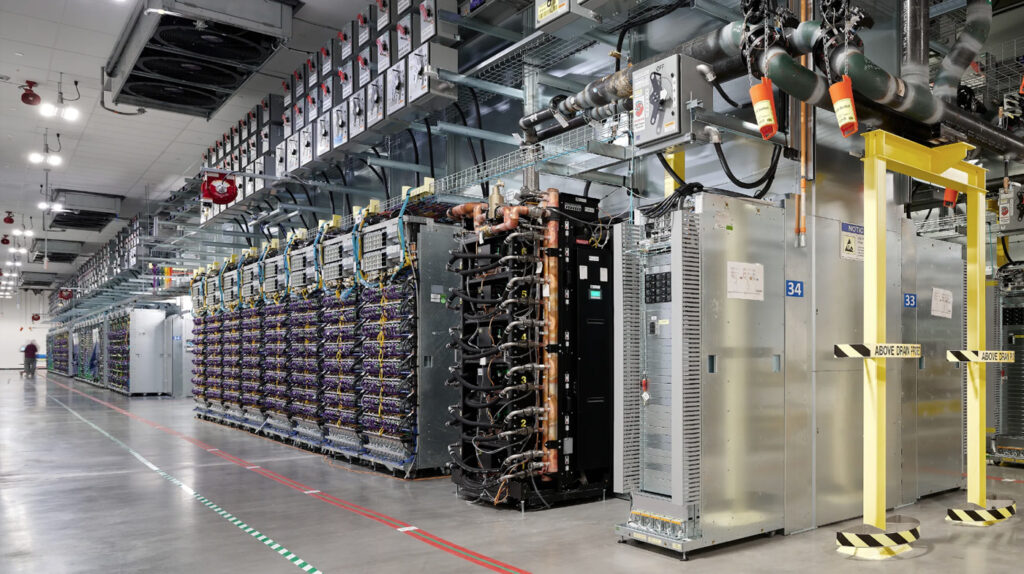
In the early days of enterprise computing, evaluating a server room’s cleanliness was straightforward: if the raised floor tiles were vacuumed and the cabinet surfaces looked dust-free, the facility was deemed “clean.”
In today’s high-density data center environments, visual inspection is no longer a valid metric for risk mitigation. Microscopic particulates—measured in fractions of a micron—can circulate invisibly through air plenums, settle on high-speed circuit boards, and trigger catastrophic downtime long before any dust is visible to the human eye.
To maintain operational availability, safeguard hardware warranties, and satisfy strict insurance underwriters, mission-critical operators are shifting from standard custodial schedules to ISO 14644-1 particulate auditing.
The Danger of Invisible Micro-Particulates
While large dust particles settle quickly onto surfaces, sub-micron particulates remain suspended in high-velocity airflow streams indefinitely. As forced-air cooling systems draw air through densely packed server chassis, these particles accumulate in micro-gaps between processors, heat sinks, and power supply units.
Micro-particulate contamination damages equipment through three distinct mechanisms:
-
Thermal Insulation: Dust build-up on heatsinks and micro-components acts as a thermal blanket, forcing fans to draw more power and increasing internal chip temperatures.
-
Impedance & Short Circuits: Hygroscopic (moisture-attracting) dust absorbs ambient humidity, creating non-conductive pathways that eventually leak voltage or bridge active circuits.
-
Corrosive Degradation: Airborne gaseous pollutants combined with fine metallic or chemical particulate lead to premature creep corrosion on copper and silver contacts.
To achieve compliance, data center managers cannot rely on ambient guessing. ISO compliance requires calibrated laser particle counters sampling air at designated grid intersections across both the cold aisles (supply air) and hot aisles (return air).
Key Steps in a Comprehensive Environmental Audit
A professional data center contamination audit goes far beyond wiping down surfaces. A rigorous evaluation includes:
-
Multidirectional Laser Particle Counting: Measuring particulate concentration across varied floor-to-ceiling elevations to locate dead zones and turbulent bypass air paths.
-
Surface Mass Density Testing: Utilizing specialized adhesive sampling media to identify the volume and type of settled particulates on top of and beneath raised floors.
-
Relative Humidity & Airflow Balance Tracking: Cross-referencing particulate behavior against environmental controls, as fluctuating humidity alters how static charges hold dust against server inlets.
-
Air Plenum Integrity Checks: Verifying that subfloor supply plenums and overhead return drops are sealed against concrete dusting, dry-wall breakdown, or external construction infiltration.
Protecting Warranties and SLA Commitments
Major hardware manufacturers (including Dell, HPE, and Cisco) explicitly state in their warranty conditions that equipment failure caused by environmental contamination is non-reimbursable. Furthermore, third-party facility auditors routinely demand documented proof of ISO 14644-1 compliance during annual SOC 2 or uptime certification reviews.
By establishing a regular schedule of environmental particle counting and specialized technical decontamination, facility operators transition from reactive firefighting to proactive risk management—ensuring that their critical infrastructure remains clean, compliant, and continuously operational.