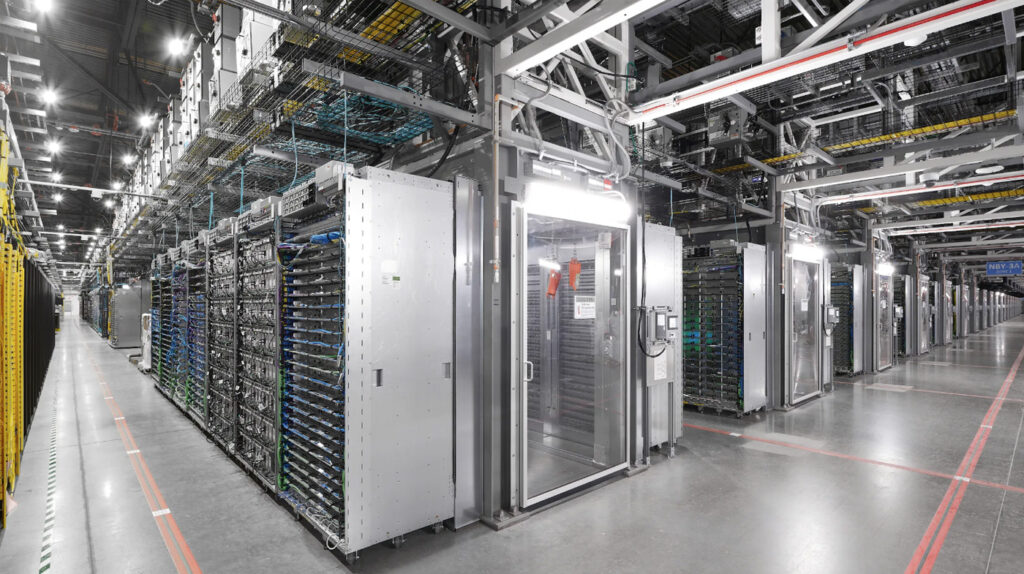
When data center managers think about contamination control, they typically visualize human-introduced debris—cardboard fibers from unboxing equipment, dust brought in on work boots, or skin dander from field technicians.
While ambient dust certainly affects heat dissipation, an far more destructive threat operates inside the white space: microscopic conductive particles.
Unlike non-conductive household dust, ferrous metal flaking and pulverized rubber belt debris generated by server room infrastructure present an immediate threat to high-density compute clusters. As power densities scale beyond 20kW to 40kW+ per rack, high-velocity airflow systems pull these airborne contaminants directly into processing units, causing silent component degradation and catastrophic short circuits.
The Origin Points: Mechanical Wear Inside the Cooling Loop
Every Computer Room Air Handler (CRAH) and Computer Room Air Conditioner (CRAC) relies on moving mechanical assemblies to circulate tens of thousands of cubic feet of air per minute. Over time, friction generates two dangerous types of conductive debris:
1. Ferrous & Metallic Particulates
Unsealed structural steel, unpainted utility tracks, worn motor pulleys, and degrading metal hardware release sub-micron metallic flakes into the air stream. As metal rubs against metal—or as unsealed overhead infrastructure slowly corrodes—these micro-particles break free.
2. Vulcanized Rubber and Fiber Belt Shedding
Traditional fan-belt-driven cooling units experience constant shear stress. As drive belts age, they shed fine rubber particles and synthetic reinforcement fibers. These particles pick up static charges in high-velocity air streams, making them cling directly to charged server components.
Why Standard Filtration Misses Conductive Debris
Facility operators often point to their MERV-rated HVAC filters as their primary defense line. However, standard filtration protocols frequently fail to protect active hardware from mechanical wear debris for three key reasons:
-
Downstream Generation: CRAC/CRAH drive belts and fan assemblies sit downstream of the main filter rack. When belts shed fibers or pulleys shed metal dust, that material bypasses primary filtration entirely and flows directly into the supply plenum or raised floor.
-
Sub-Micron Sizes: Wear-induced metallic particles can measure under 0.5 microns in diameter. Standard MERV 8 pre-filters allow these microscopic particles to pass freely into the white space.
-
High-CFM Vacuum Effects: Modern server cooling fans operate at high RPMs, creating localized suction zones. They draw settled particulate off floor tiles and out of cable pass-throughs, pulling it directly across delicate Printed Circuit Boards (PCBs).
The Failure Mechanism: Bridge Shorting and Localized Overheating
When conductive ferrous dust or rubber debris settles onto server motherboards, RAM modules, or power supplies, it initiates two distinct failure modes:
Electrical Bridging (Short-Circuiting)
Ferrous dust is electrically conductive. As fan assemblies draw air across high-density circuit boards, metallic particles settle across adjacent trace lines or capacitor leads. If the ambient relative humidity fluctuates or reaches the deliquescence point, the conductive dust forms a bridge across electrical paths, causing intermittent bus errors, system resets, or complete component blowouts.
Thermal Insulation Blanketing
Rubber belt debris acts as a thermal insulator. When sticky, static-charged rubber particles settle over heat sinks, power regulators, and component solder joints, they trap heat underneath. The resulting hot spots force cooling fans to draw more power, accelerating wear and leading to thermal throttling or sudden hardware failure.
Defending Your Infrastructure: The CFS Technical Decontamination Protocol
Standard janitorial cleaning cannot safely address conductive particulate contamination. Removing microscopic metallic dust and sticky rubber fibers from active, energized environments requires specialized equipment, static-dissipative solutions, and strict adherence to ISO 14644-1 Class 8 cleanroom standards.
At Critical Facility Solutions (CFS), our specialized decontamination process targets the source and path of conductive debris:
-
Precision HEPA/ULPA Extraction: We utilize specialized, triple-filtered HEPA/ULPA vacuums engineered to capture particles down to 0.12 microns without generating static discharge or exhausting fine dust back into the airstream.
-
Static-Dissipative Surface Wiping: Our technicians use lint-free, anti-static micro-fiber materials and specialized non-VOC, static-dissipative solutions to neutralize surface charges, releasing stubborn rubber dust from rack exteriors, cable trays, and air handlers.
-
Subfloor & Plenum Remediation: We deep-clean subfloor plenums and airflow pathways to ensure that settled metallic particles aren’t recirculated through raised floor tiles into server intake grilles.
-
Air handling Unit Inspections: During routine cleaning maintenance, CFS technicians audit cooling units for belt degradation, pulley alignment debris, and unsealed metal-on-metal contact points.
Protect Your High-Density Investments
As compute density increases, tolerance for airborne contamination drops to near zero. A single microscopic metal particle or a layer of belt dust can disrupt critical workloads and compromise hardware investments.
Partnering with specialized critical environment professionals ensures your white space remains compliant, operational, and free from unseen contamination risks.
Is your facility protected against conductive particle buildup? Contact Critical Facility Solutions today to schedule a comprehensive white space contamination audit and custom preventive maintenance evaluation.